The History of Tobacco in Canada & First Nations Heritage
Sacred Origins, Thousands of Years Before Contact
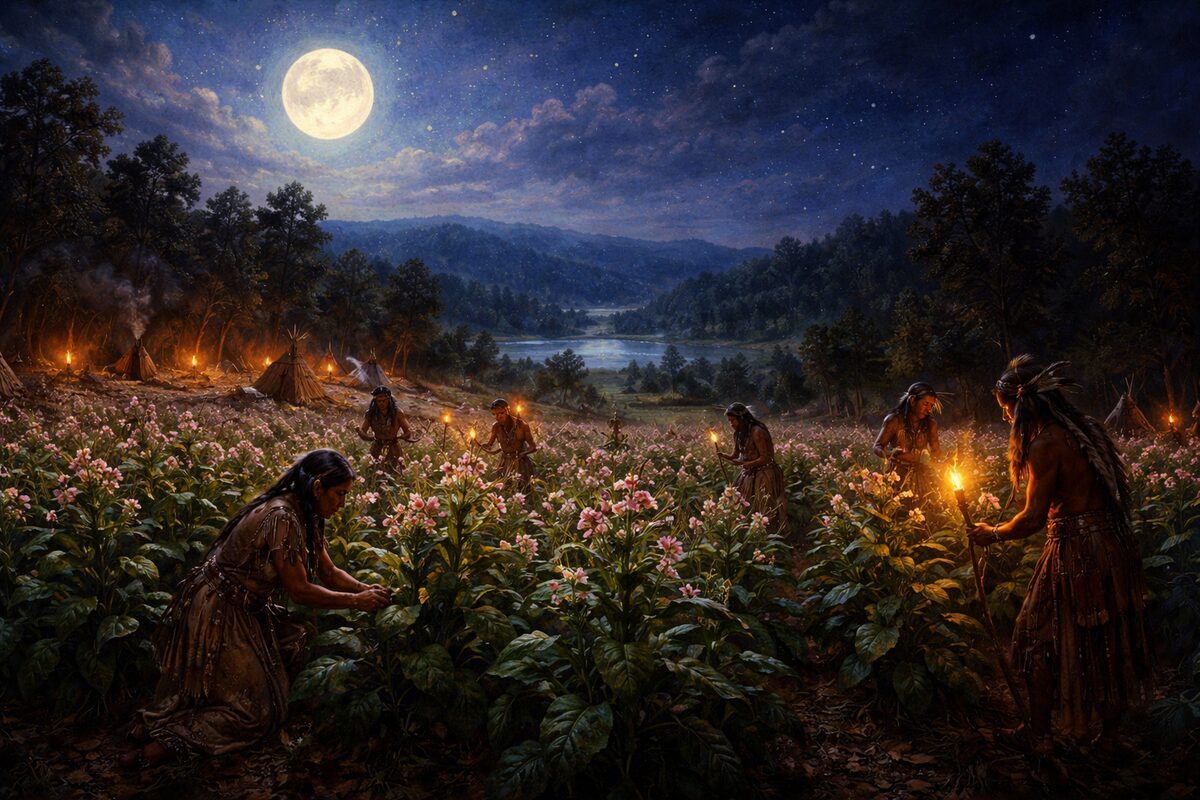
Long before European settlers arrived on the shores of what is now Canada, tobacco held a place of deep spiritual significance among Indigenous peoples. Archaeological evidence suggests that First Nations communities have cultivated and used tobacco for at least 3,000 years, with some estimates reaching back over 8,000 years across the broader Americas.
For Indigenous peoples, tobacco, known as semá in Anishinaabemowin, dama in Mi’kmaq, and by many other names across hundreds of nations, was never simply a commodity. It was a sacred medicine, a gift from the Creator, and an essential part of ceremony, prayer, and daily life.
Tobacco as Sacred Medicine
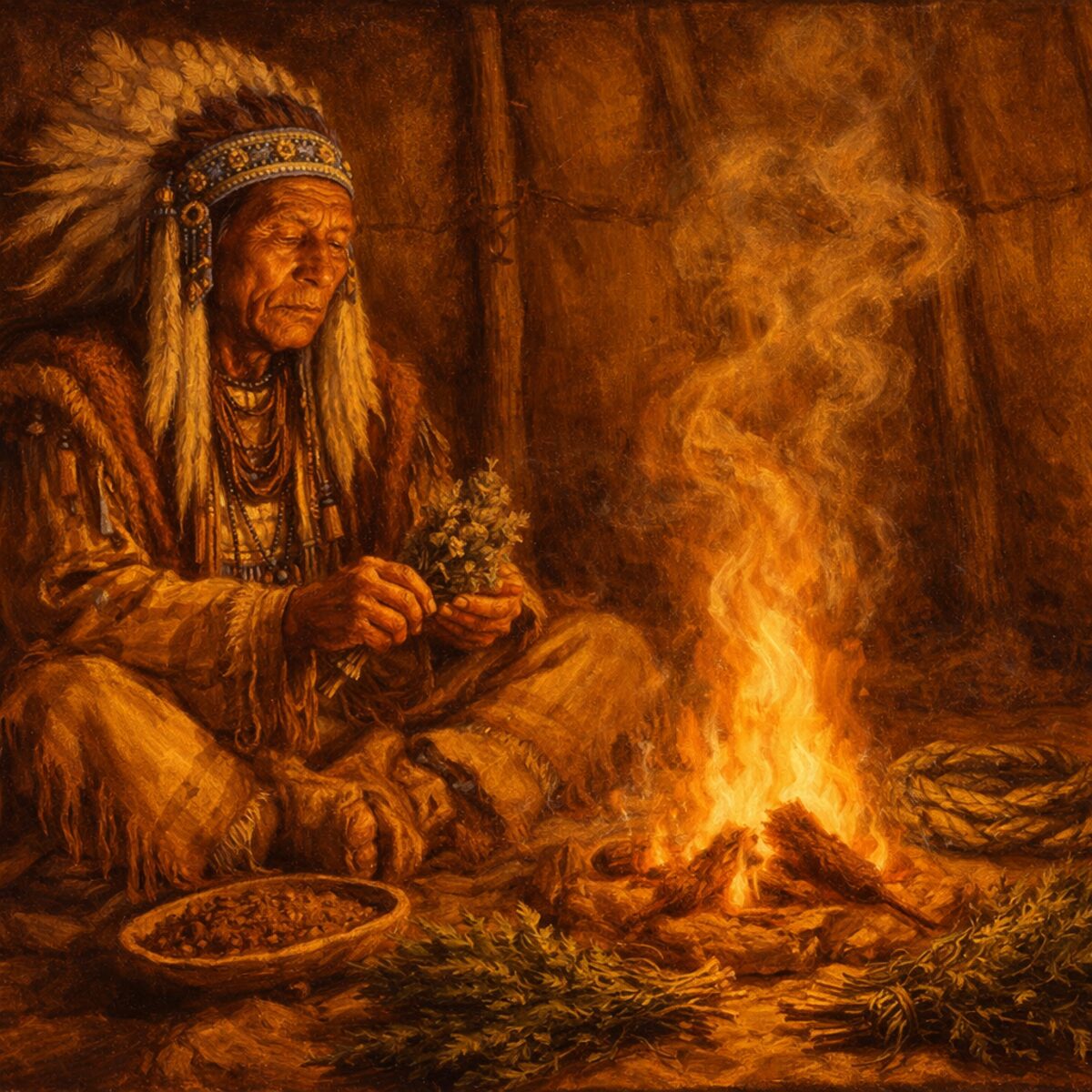
In the traditions of the Haudenosaunee (Iroquois), Anishinaabe (Ojibwe), Cree, Mi’kmaq, and many other nations, tobacco is considered one of the Four Sacred Medicines, alongside sweetgrass, sage, and cedar. It serves as a bridge between the physical and spiritual worlds.
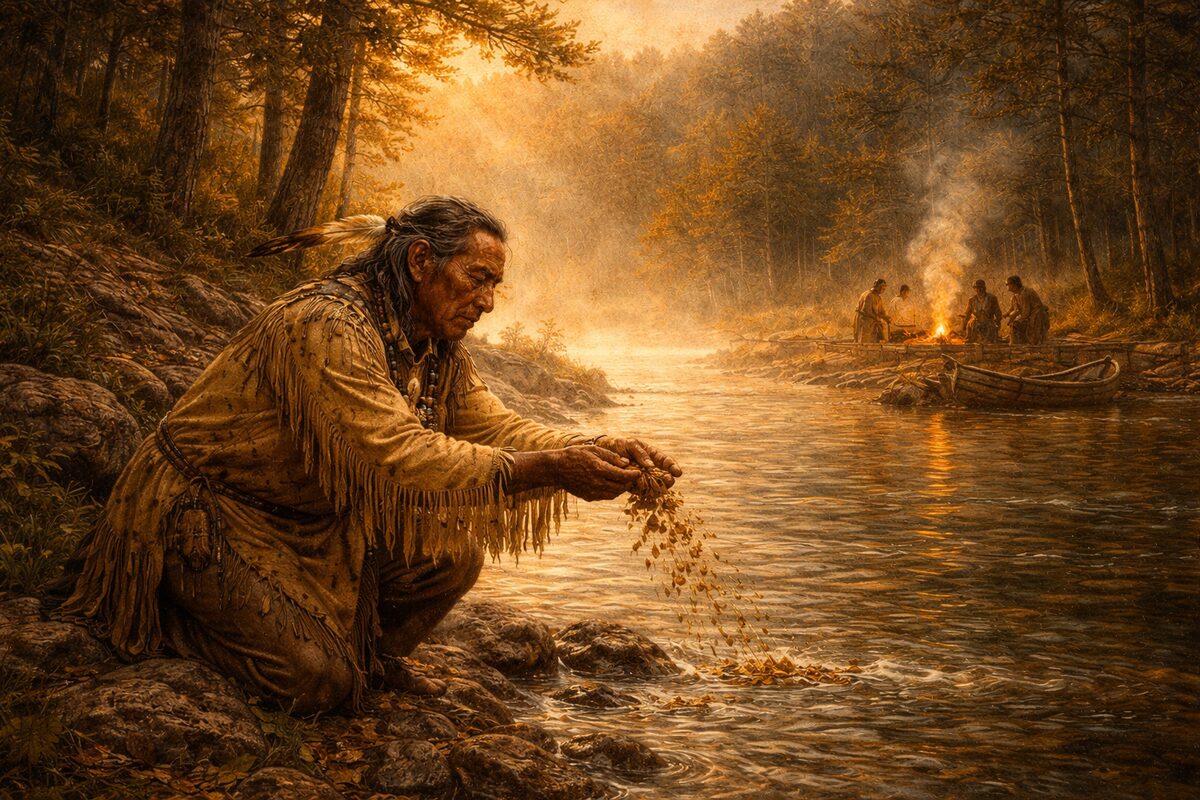
Tobacco was offered to the earth before harvesting plants, to the water before fishing, and to elders and knowledge keepers as a sign of respect when seeking guidance. It was burned in sacred pipes during council meetings, peace negotiations, and healing ceremonies. The rising smoke was believed to carry prayers and messages to the spirit world.
Nicotiana Rustica, The Original Canadian Tobacco
The species cultivated by First Nations in what is now Canada was primarily Nicotiana rustica, a potent variety quite different from the Nicotiana tabacum that dominates commercial production today. N. rustica was well-suited to the shorter growing seasons of the Great Lakes region, the St. Lawrence Valley, and parts of the Maritimes.
The Wendat (Huron) people, centred in what is now southern Ontario, were among the most prolific tobacco growers. Their carefully tended fields produced surplus tobacco that became one of the most valuable trade goods in pre-contact North America.
The Great Trade Networks
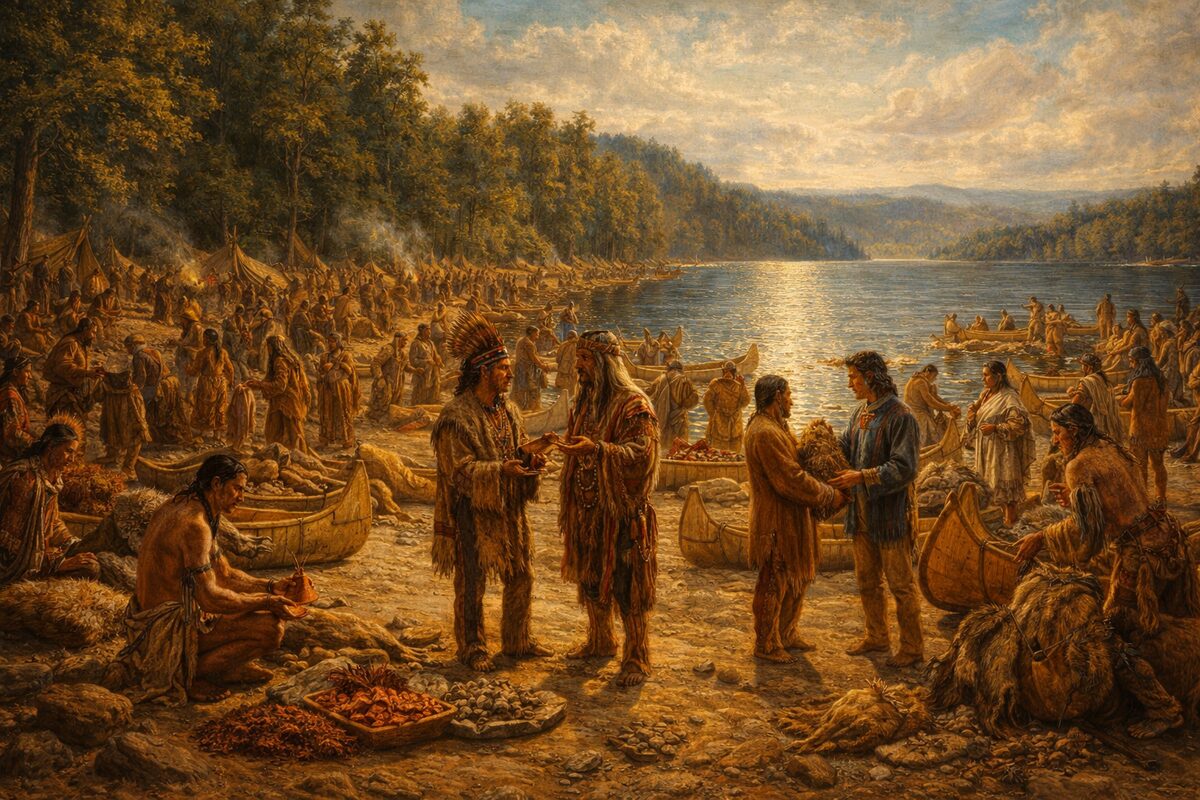
Tobacco was central to vast Indigenous trade networks that spanned the continent long before European contact. The Wendat traded tobacco northward to the Cree and Anishinaabe nations in exchange for furs and copper. The Haudenosaunee (Six Nations) developed their own cultivation traditions in the Mohawk Valley and along the Grand River.
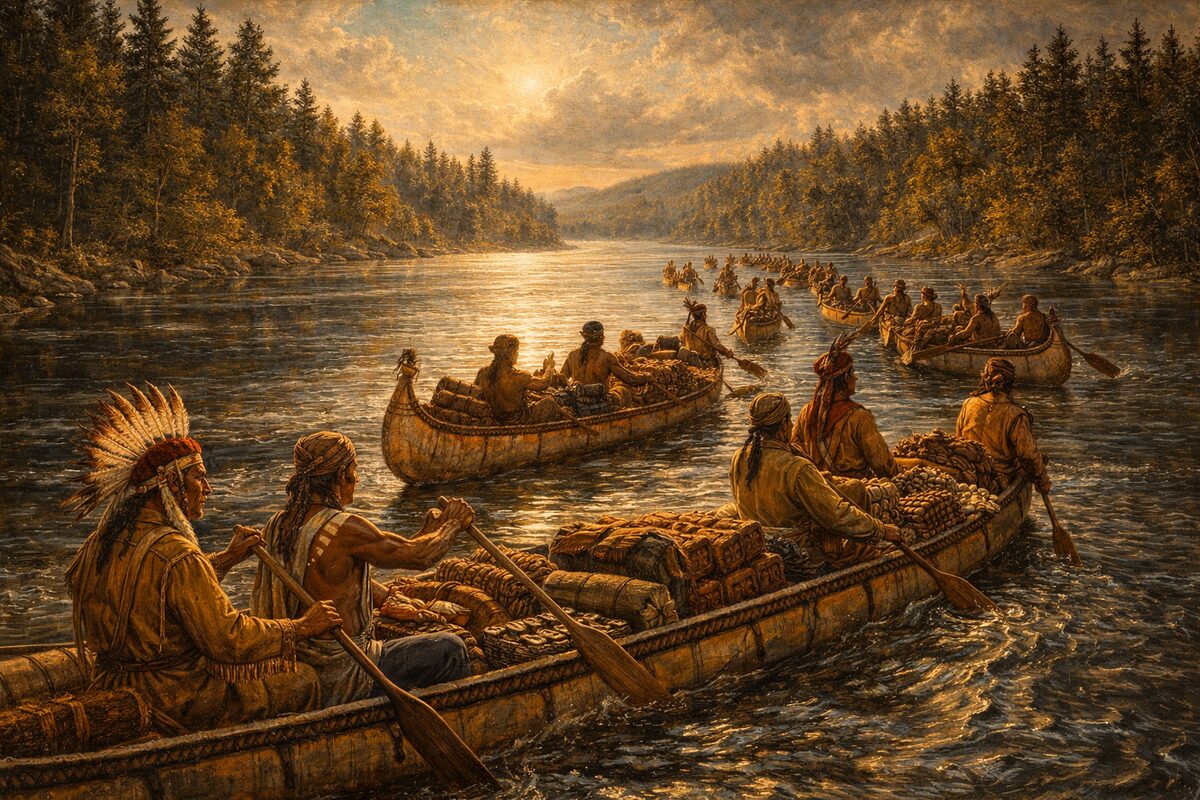
These trade routes stretched from the Atlantic coast to the Great Plains, and from the northern boreal forests to the Gulf of Mexico. Tobacco, along with other goods like obsidian, copper, and marine shells, moved along river systems and portage routes that had been used for millennia.
European Contact and the Transformation of Tobacco
When French explorers arrived in the early 1600s, they quickly recognized the importance of tobacco in Indigenous culture. Jacques Cartier documented tobacco use among the St. Lawrence Iroquoians in 1535. Samuel de Champlain observed elaborate tobacco cultivation among the Wendat in the early 1600s.
European demand for tobacco grew explosively. While the Virginia colonies focused on N. tabacum for export, the tobacco trade in New France remained deeply intertwined with Indigenous producers and traders. Tobacco became a standard trade good alongside furs, and it remained central to diplomatic protocols between French, British, and Indigenous nations.
The Peace Pipe and the Art of Diplomacy
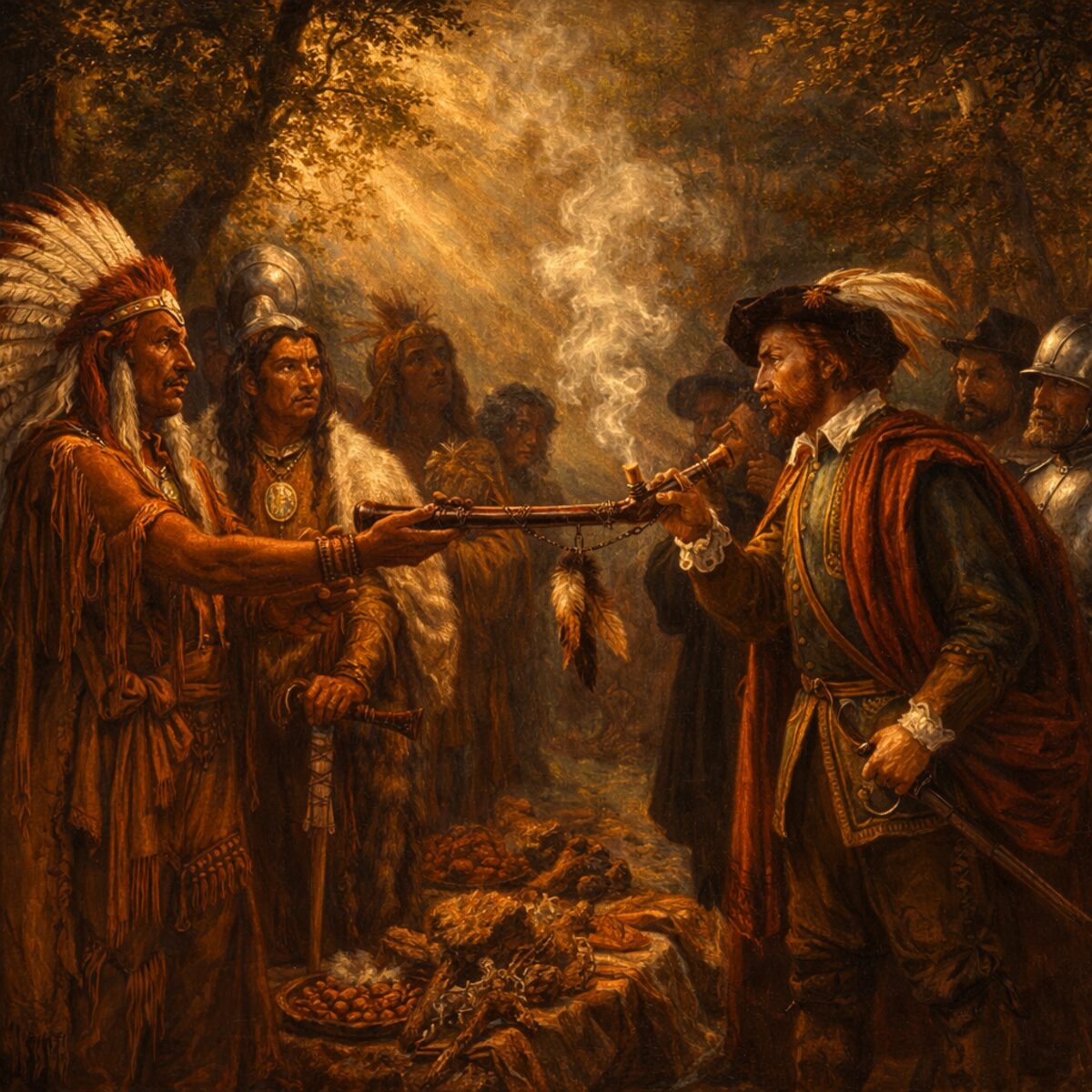
The ceremonial pipe, often called a “peace pipe” in English (though this term oversimplifies its significance), was perhaps the most important diplomatic instrument in pre-Confederation North America. Known as a calumet from the French word for reed, these pipes were elaborately carved from catlinite (pipestone) and decorated with feathers, beadwork, and quillwork.
Sharing tobacco in a pipe ceremony established trust, sealed agreements, and created bonds between nations. No treaty, trade agreement, or alliance was considered legitimate without the pipe ceremony. Many of the original treaties between First Nations and the British Crown were solemnized through the sharing of tobacco.
Six Nations and the Grand River
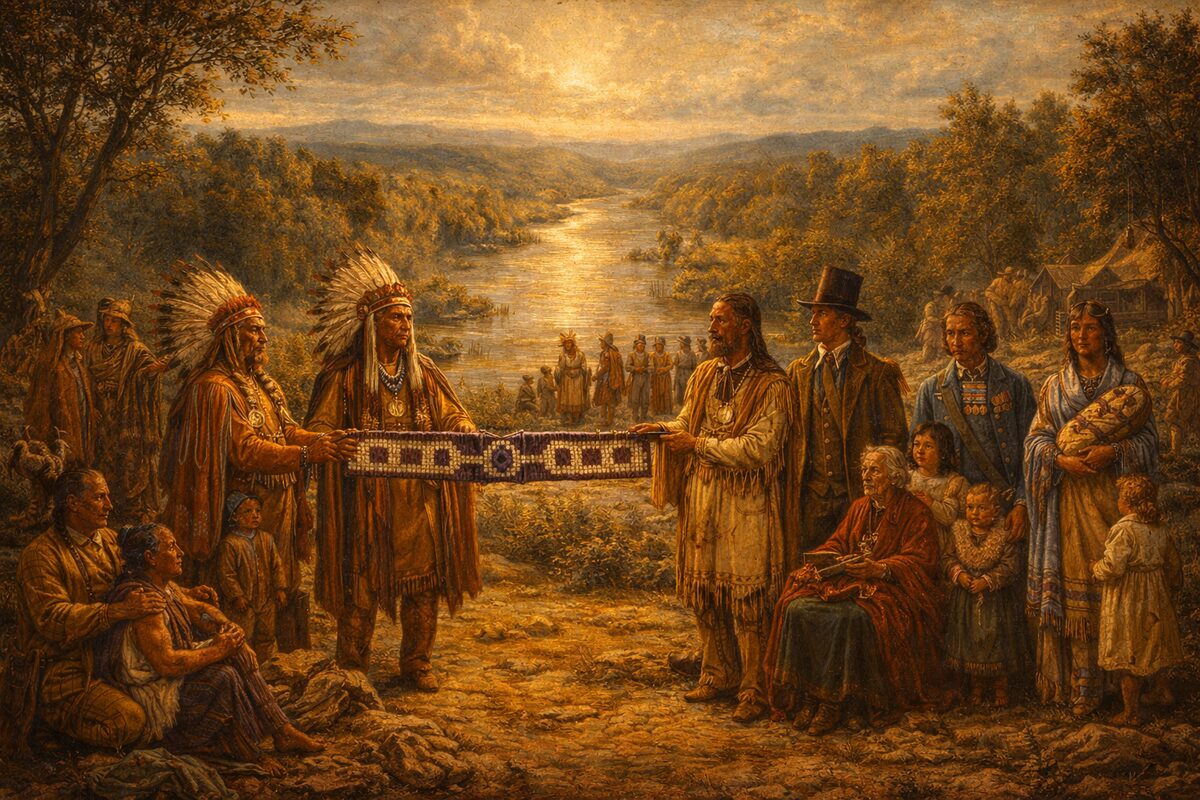
The Six Nations of the Grand River in present-day Ontario have maintained a continuous connection to tobacco cultivation and trade that stretches back centuries. After the American Revolution, Loyalist Haudenosaunee communities relocated to the Grand River territory granted by the Haldimand Proclamation of 1784.
Today, Six Nations remains a significant centre of Indigenous tobacco production and commerce. The community’s relationship with tobacco is rooted in sovereignty, tradition, and the inherent right of Indigenous peoples to engage in trade. These rights are affirmed by treaties and recognized under Section 35 of the Constitution Act, 1982.
The Métis and Tobacco Culture
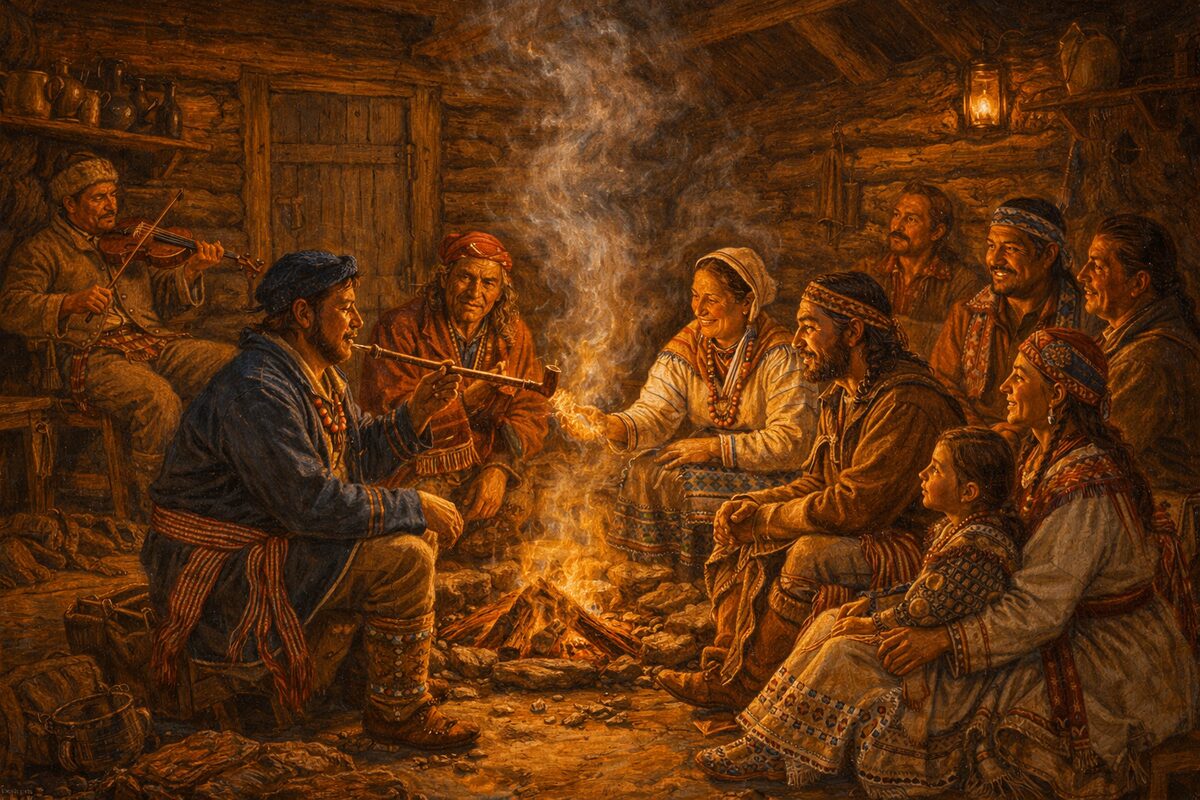
The Métis people, who emerged as a distinct nation from the intermarriage of First Nations women and European fur traders, developed their own unique tobacco traditions. Métis traders carried tobacco along the great fur trade routes, from the Red River Settlement to the Rocky Mountains.
Tobacco was an essential part of Métis social life. Community gatherings, dances, and celebrations often centred around the sharing of tobacco and stories. The Métis blended Indigenous ceremonial uses of tobacco with European social customs, creating distinctive traditions that endure today.
Indigenous Tobacco Rights Today
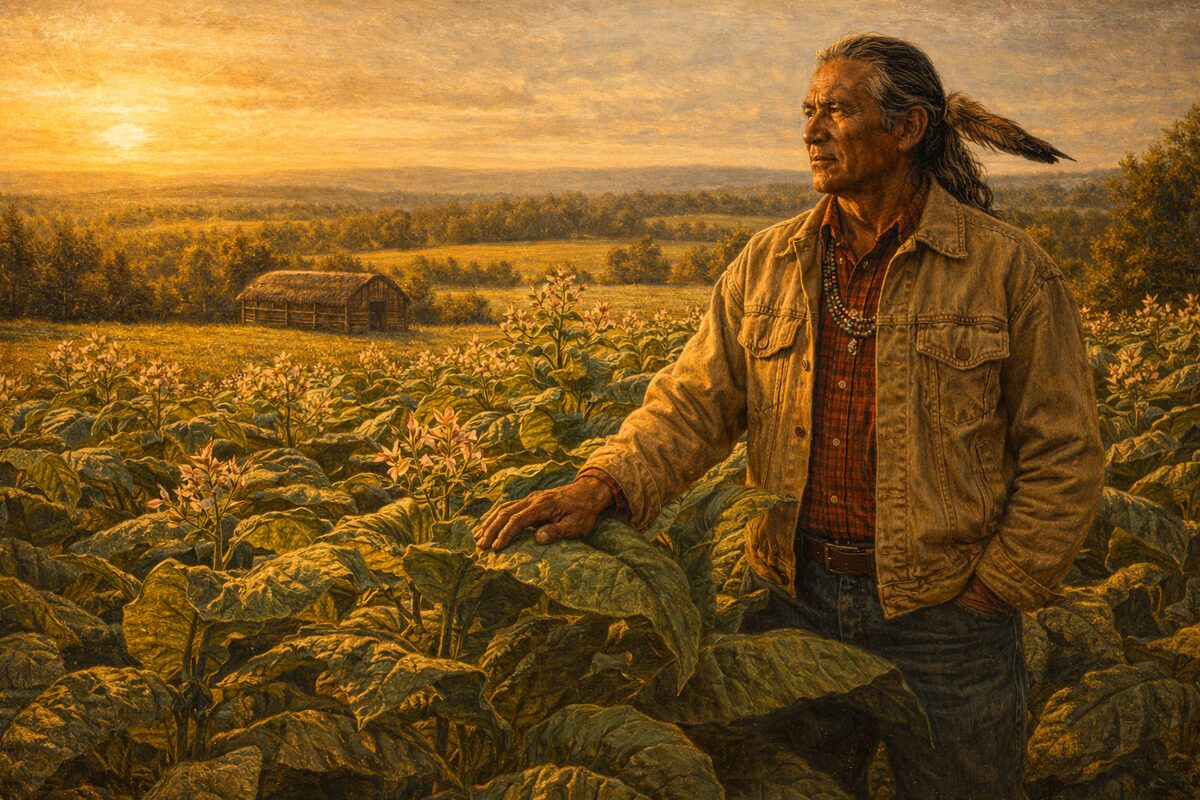
The Indigenous tobacco industry in Canada today represents a continuation of traditions that predate Confederation by thousands of years. First Nations communities across the country exercise their inherent and treaty rights to produce and sell tobacco products.
Modern Indigenous tobacco enterprises provide economic opportunities for communities, create jobs, and fund social programs. They honour the craftsmanship and knowledge of ancestors while meeting the needs of contemporary consumers.
Native Smokes Direct Continues the Tradition
Native Smokes Direct is proud to be part of this living tradition. We deliver premium First Nations tobacco products to Canadians across every province and territory, honouring the craftsmanship and heritage that has defined Indigenous tobacco for millennia.
When you choose Native Smokes Direct, you’re not just buying a product, you’re supporting Indigenous commerce, community development, and the continuation of one of the oldest traditions on this continent.